



February 11, 2026
5 High-Impact, Low-Prep Strategies That Work Across Subjects
If you’re like most teachers, you’ve heard the term “student engagement” used a dozen different ways. But what does meaningful engagement actually look like when you’re focused on access, inclusion, and deep comprehension?
It’s not just about excited faces or loud voices. It’s about giving every student an entry point to do the thinking and own the learning.
Here are 5 low-prep, high-impact strategies you can use across subject areas to make sure your students aren’t just sitting and listening, but accessing, interpreting, and engaging with ideas from the very first moment.
1. Choral Reading: Not a Gotcha, But a Gateway
Choral reading is about inviting students into the learning, not catching them off guard. When we say “read with me,” we’re creating a risk-free environment where every child has permission to engage at their current level, while still expecting everyone to participate.
Participation can look different:
- Pointing to each word as the teacher reads aloud (one-to-one correspondence)
- Whisper-reading along
- Using fun voices like robot, mouse, or “Baby Bear” mode to maintain attention and novelty
For students who need extra support with focus, try assigning a job like holding the pointer or tracking along on a poster. The key is that the story or text is accessible. Physical copies are ideal. If you’re using a poster, use a pointer and take your time.
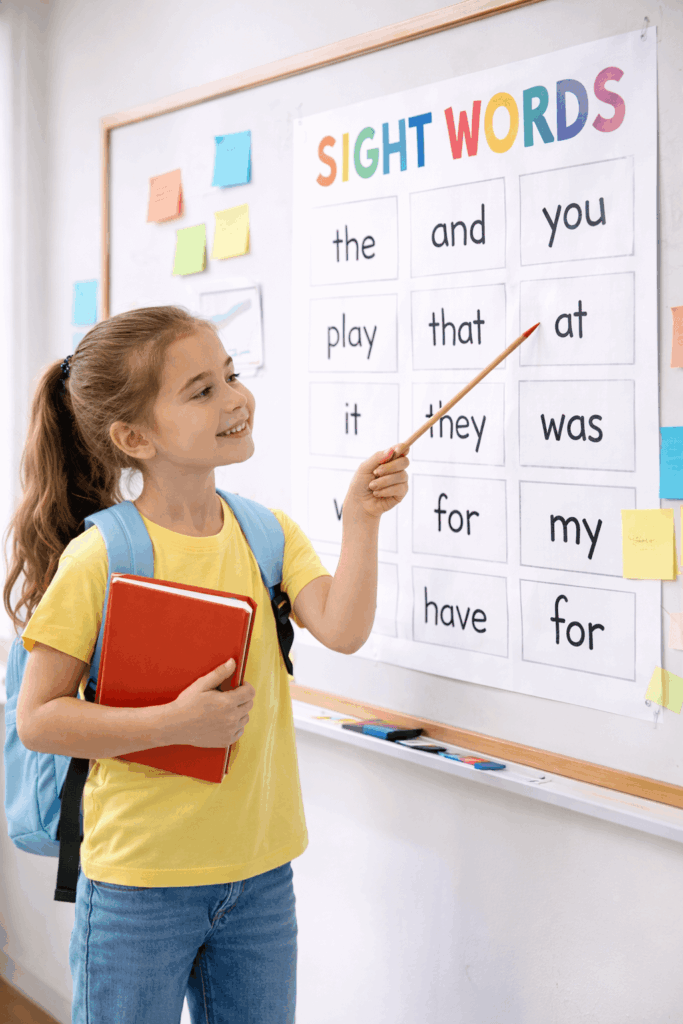
Here’s one of my favorite tweaks. Before reading aloud, give 30 seconds of quiet time. Let students read what they can on their own. Many teachers assume they need to read the story first, but when we do that consistently, students learn to wait for us instead of engaging independently.
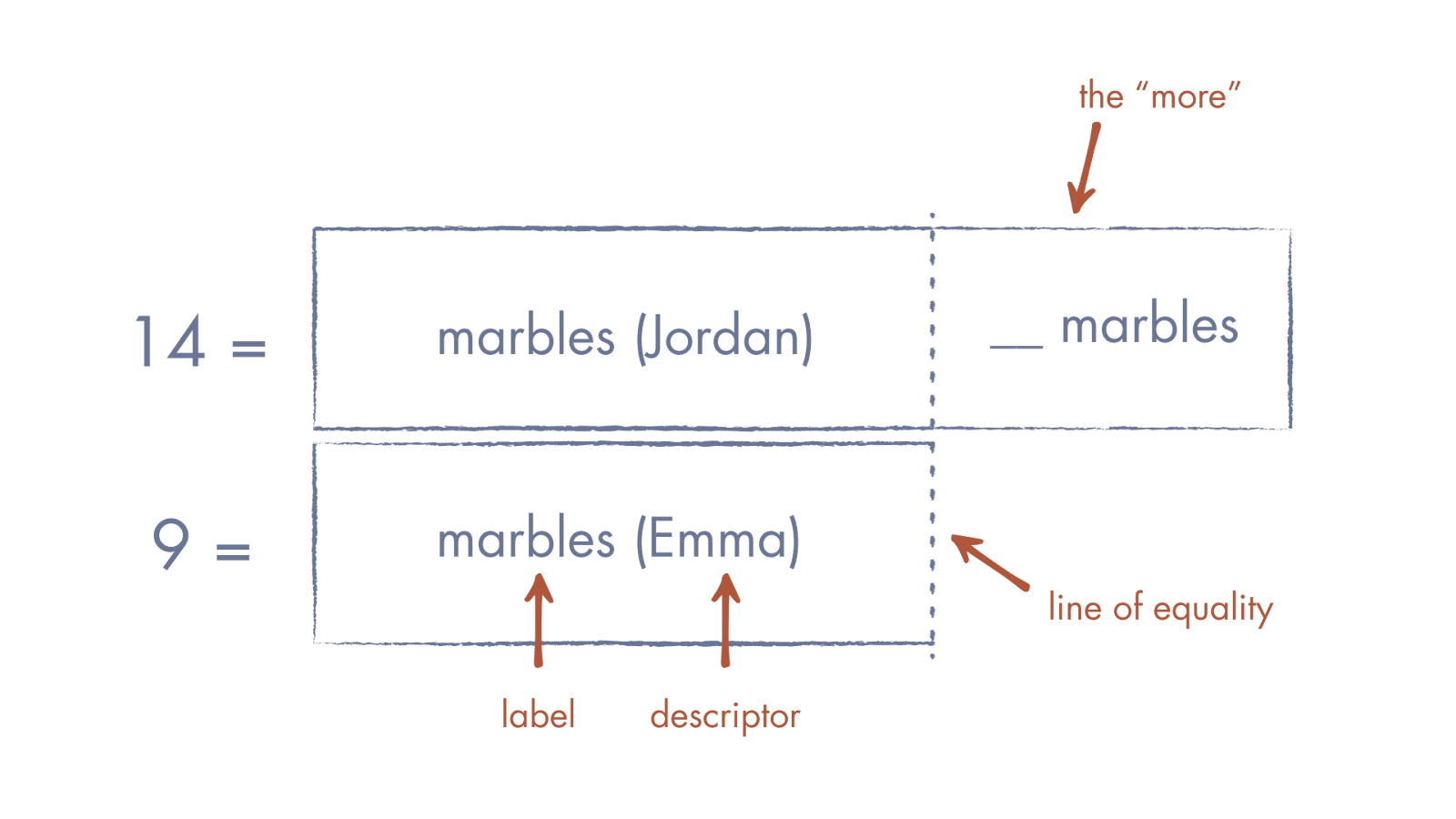
Connection to Structures of Equality (SoE): This practice is especially important when working with number stories. One of the biggest frustrations teachers express in upper grades is that students won’t even attempt to read word problems. They’ve learned to wait for the teacher to read it to them.
That behavior starts in the earliest grades. Giving students time to look at the story on their own first, then chorally reading it together, builds habits of agency and independence–exactly what students need to solve contextual math problems.
Bonus: Choral reading doesn’t just build literacy skills. When students chorally read number stories, they’re developing both reading fluency and mathematical comprehension at the same time. These skills reinforce each other, which is why integrating literacy into math creates such powerful results.
2. Relevant Content Across the Day and Across Subjects
The more students see themselves and their experiences reflected in what they’re learning, the more likely they are to engage. And this goes beyond just putting their names in math stories (although that’s a great start).
Here’s what relevant content can look like across subjects:
- Math: Math stories featuring classmates, school routines, or popular lunch items
- Science: Hands-on investigations and experiments that students do, not just ones they watch the teacher model or see in a video
- Social Studies: Read-alouds that bring people and events to life through stories, not just textbook blurbs
- Reading: Texts that allow students to see themselves in characters, cultures, and contexts
Relevance is more than “fun.” It’s about access. When students recognize the setting or situation, they’re already partway to understanding.
Connection to SoE: I mentioned how putting student names in stories is a great start, but making the context relevant is even better. You can also adjust the setting, actions, and scenarios. If you live in an area where there’s a bodega on every corner, that may make more sense to your students than the produce section of a grocery store. Small shifts like these make the content more accessible and easier to relate to.
3. Turn and Talk: More Student Voice, Less Teacher Talk
Student conversations don’t need to be fancy. A simple “Turn and tell your partner what you think is happening in this story” goes a long way. The important thing is getting students talking.
If turn and talk has ever flopped in your room, or you’ve avoided it altogether, try these supports:
- Pre-assign talking partners so students know who to turn to
- Provide clear, concise prompts or sentence stems
- Use visual or verbal signals to bring attention back
You can find more research-backed turn and turn strategies in this guide from Edutopia.
The goal is to have kids processing aloud, not just nodding along. These conversations prepare students to tackle deeper tasks, like comprehending and modeling story problems using SoE structures.
Connection to SoE: Helpful sentence stems for math discussions include “This story describes…” or questions like “What’s the thing we’re counting?” or “Where is the setting?” One student answers, and their partner follows up: Do you agree? Why or why not?
These prompts help students rehearse the thinking they’ll need to identify the math main idea and draw a visual representation.
4. Going Beyond Raised Hands
It’s easy to default to “Who can tell me…?” and call on raised hands. But let’s be honest. The same kids raise their hands, the ones who already know the answer. That doesn’t help you figure out where the rest of the class is.
Here’s how to shake that up:
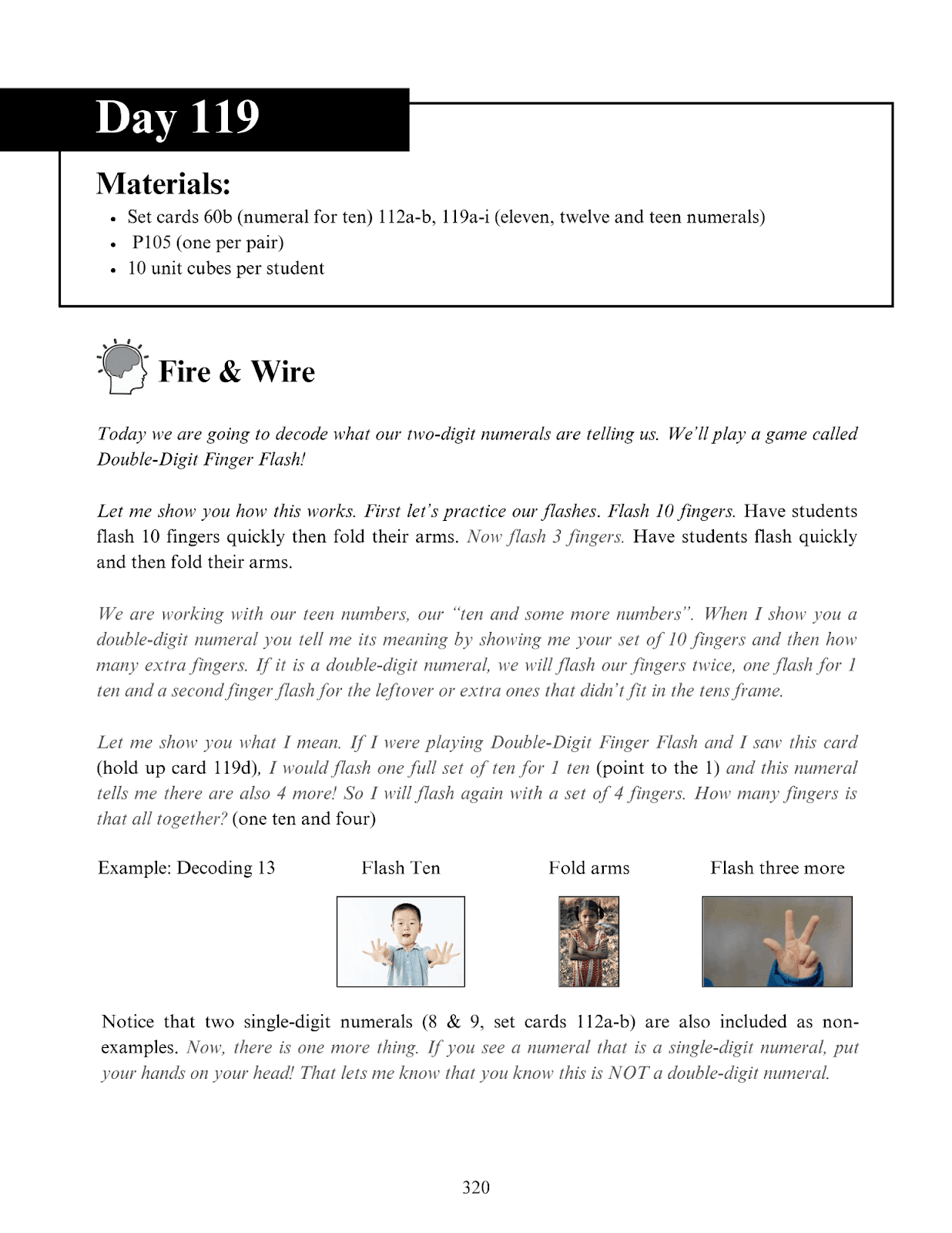
- Signals in front of the chest: “If you read it once, show one finger. If you read it twice, two fingers.”
- Quick cues: “On three, tell me the main character’s name.” All students respond together.
- Dry erase boards or quick writes: For visible thinking that helps teachers adjust instruction in real time
- Cold calls: Build a classroom culture where you can call on students to share their thinking, even if they haven’t raised their hands. This isn’t a gotcha either. It takes trust, but once students know they might be called on, participation becomes more equitable.
Note on signals and whiteboards: Have students share their responses ‘privately.’ They hold their hands in front of their chests instead of up in the air so they focus on their own thinking. You can quickly scan and see student responses, but they can’t see what others have shown. For whiteboards, try: “Show me your boards in 3, 2, 1…” and have all students hold them in front of their chests at the same time.

These strategies are a core part of my book on daily routines that build number sense, The Fire & Wire Way, which creates classrooms that are inclusive, responsive, and rich in student voice. Student response structures give you real-time insight into comprehension, not just compliance.
Connection to SoE: As students are turning and talking, you can circulate, listen, and then invite students to share. For example, “As I was walking around, I heard a great conversation between [Student A] and [Student B]. [Student B], I’d love for you to share what you said about why you represented this with a Repeated Equal Groups structure.”
5. Manipulatives, Models, and Realia
Hands-on tools aren’t just for math. In every subject, students benefit from being able to touch, move, and manipulate materials.
- Science: Don’t just show a picture of a thermometer. Let students use one.
- Math: Use connecting cubes, counters, or number lines to model relationships.
- Social Studies: Bring in real-world artifacts or replicas to spark curiosity.
And for language learners or students still developing reading skills, manipulatives and realia provide an essential access point to meaning. These tools build conceptual understanding, not just task completion.
Connection to SoE: One of my favorite ways to deepen understanding? Have students act out a number story. This doesn’t require costumes or props. (In fact, it shouldn’t.)
Start by asking students questions like: Who are the characters? What’s the action? What are we counting? Then, have students act it out, using realia or themselves. Finally, represent the action with manipulatives.
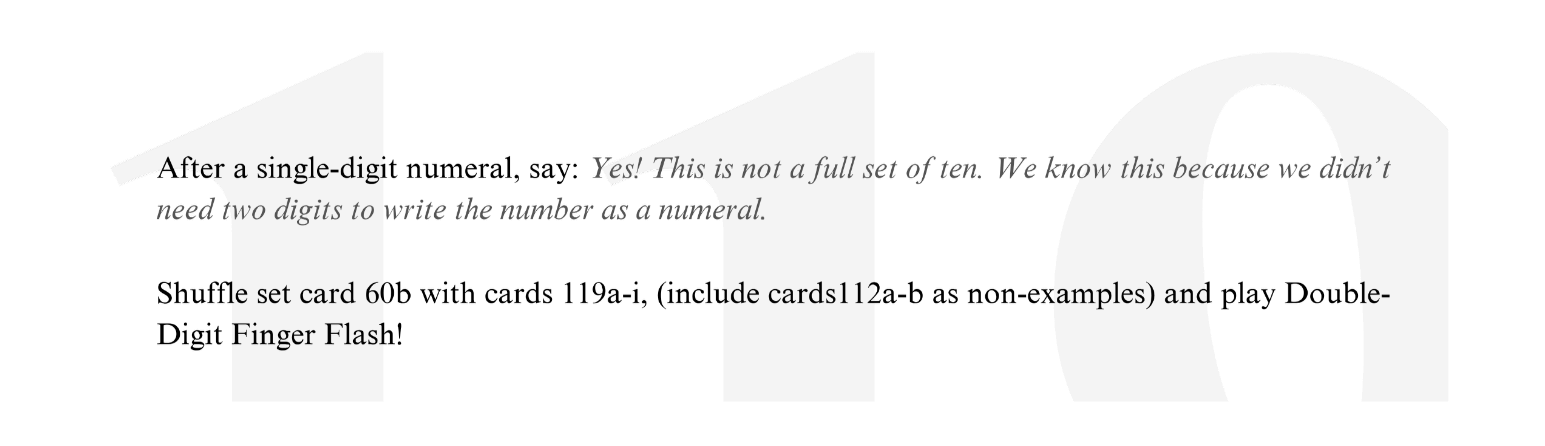
This strategy is especially powerful for Compare structure problems, where physical representation helps students visualize differences and relationships.
Rethinking Engagement
When students point to the text, whisper the answer, act out a story, or build a model, they’re engaging. They’re doing the work of learning. And you’re creating the structures that make that possible.
We don’t need louder classrooms. We need intentional, inclusive spaces where every student has a way in.
