
Instructional Practices
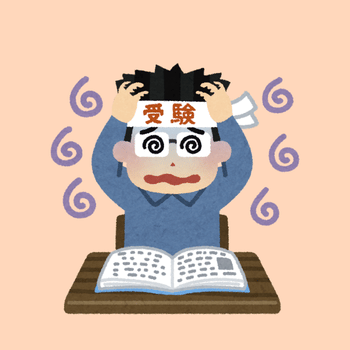
A student rereads the same three lines of a word problem, over and over, and eventually just stops. She’s not lazy; her working memory is full. This post breaks down why structure, not more repetition, is what actually frees up space for kids to think.

A 12-second pause in a classroom video clip changes everything. See what happens when we protect a student’s thinking time instead of letting another student jump in.
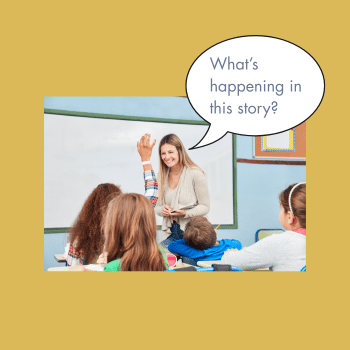
The questions we ask during word problems shape how students think about math. Here’s what to ask instead and why it changes everything.

Most teachers ask the same questions during word problems: “What operation do we use?” or “Are there any keywords?” These questions feel helpful. But what if they’re pulling students away from the very understanding we’re trying to build?
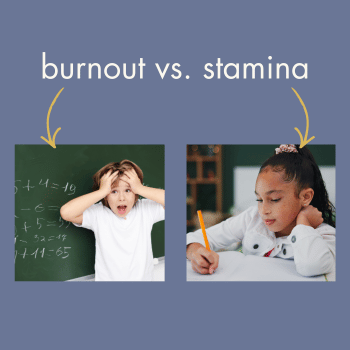
Practice tests don’t build stamina—they build burnout. Real math test stamina comes from conceptual understanding, accountability for tools, and teaching students to regulate test anxiety. Here’s what actually works.
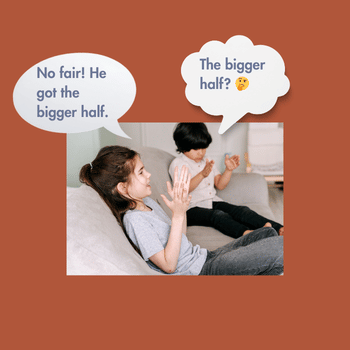
We’ve all said it. “In a minute.” “Just add a zero.” “The bigger half.” Find out why precision of language isn’t about being picky—it’s about making math more visible, accessible, and meaningful for every learner.

These 5 low-prep strategies help you create inclusive classrooms where students access, interpret, and engage with ideas from the very first moment.

A resource for caregivers to help their child make sense of math word problems. Learn how to spot the math main idea and support understanding at home.
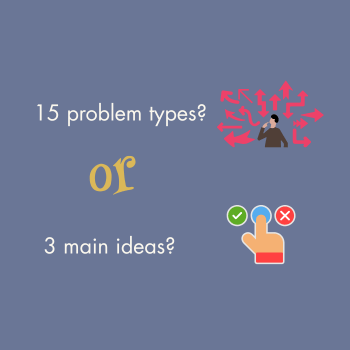
CGI teaches students to think, not just memorize, but what if there’s one key piece missing? Learn one small shift for a huge impact. (And no, you don’t have to abandon your CGI problems!)

This post explores how to select or adapt number stories that invite sense-making, honor students’ experiences, and align with instructional goals.
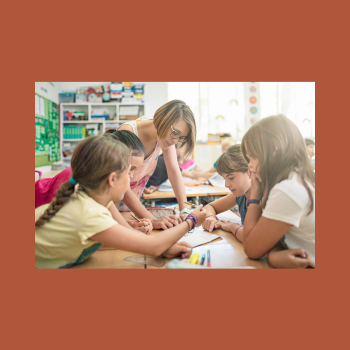
Productive struggle isn’t about frustration. It’s about giving students the right kind of challenge, paired with structure and support, so they can reason, make sense of problems, and build confidence.
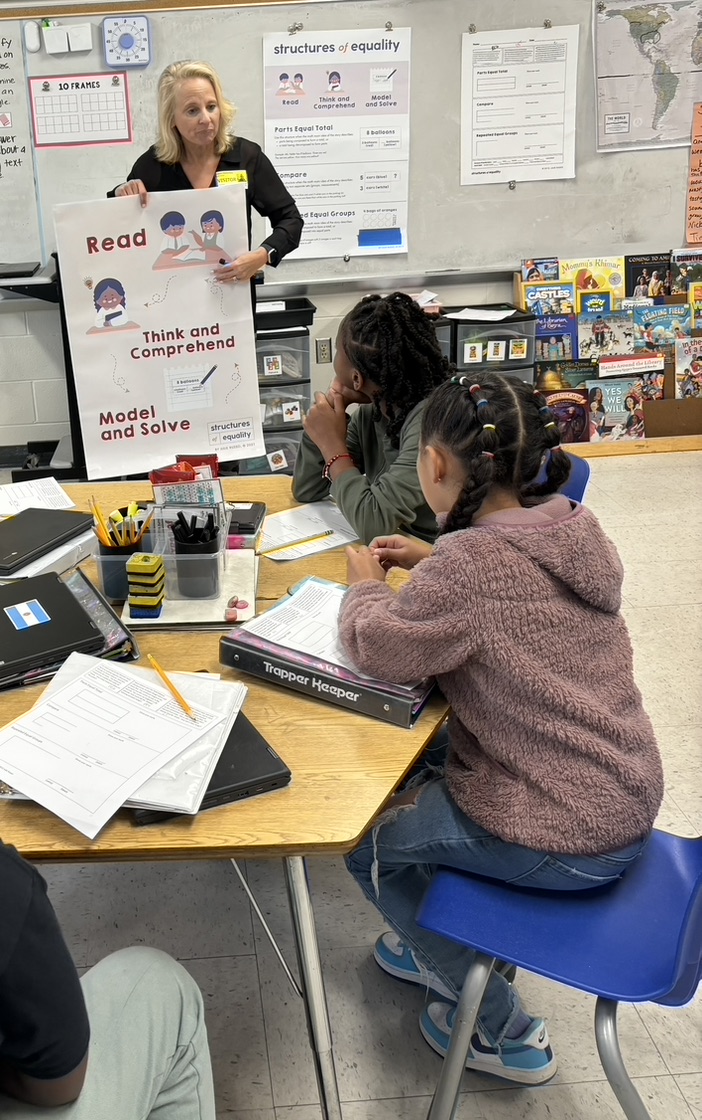
A reflection on how Pam Seda’s work validates my mission to bring equity, comprehension, and deep thinking into math classrooms.
