
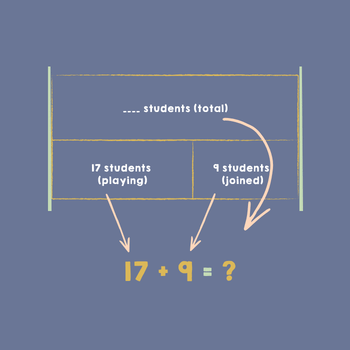
Do your students struggle to write equations from models? Here’s how to help them translate.
April 29, 2026

The questions we ask during word problems shape how students think about math. Here’s what to ask instead and why it changes everything.
April 22, 2026

Most teachers ask the same questions during word problems: “What operation do we use?” or “Are there any keywords?” These questions feel helpful. But what if they’re pulling students away from the very understanding we’re trying to build?
April 15, 2026

Removing the numbers is just the beginning. Learn how to use a 3-day numberless word problem progression to help students slow down and make sense of math stories.
March 18, 2026
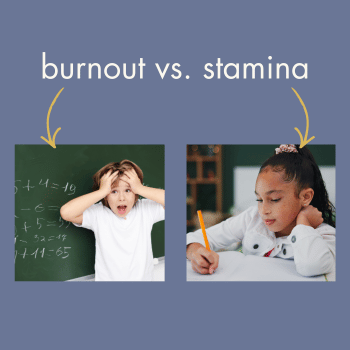
Practice tests don’t build stamina—they build burnout. Real math test stamina comes from conceptual understanding, accountability for tools, and teaching students to regulate test anxiety. Here’s what actually works.
March 4, 2026

A resource for caregivers to help their child make sense of math word problems. Learn how to spot the math main idea and support understanding at home.
January 21, 2026
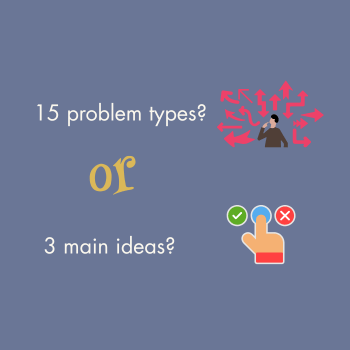
CGI teaches students to think, not just memorize, but what if there’s one key piece missing? Learn one small shift for a huge impact. (And no, you don’t have to abandon your CGI problems!)
January 14, 2026

When students label their thinking precisely, their understanding becomes visible. By requiring the unit and the descriptor, we help students show meaning with their models.
December 3, 2025
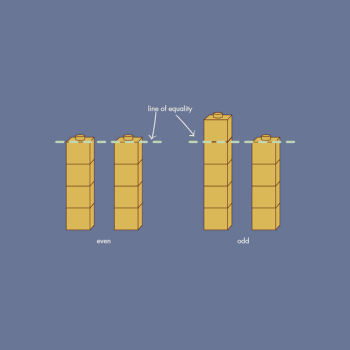
Flat tops and ones-place rules might help kids label numbers as odd or even, but they miss the why. This post shows how to build deeper understanding using the Compare structure and equal group reasoning.
October 29, 2025

After three years with Structures of Equality, fourth grade teacher Jasmin isn’t just trying it out, she’s all in. Her story offers insight into what changes when comprehension leads and scaffolds support real thinking.
September 10, 2025

Math anxiety can create real barriers for students. Learn research-backed strategies to help your students feel more confident, supported, and successful in math.
May 28, 2025

Math anxiety is more than nervousness before a test. It’s a persistent fear of engaging with math. Learn how recognizing it can change your classroom culture.
