
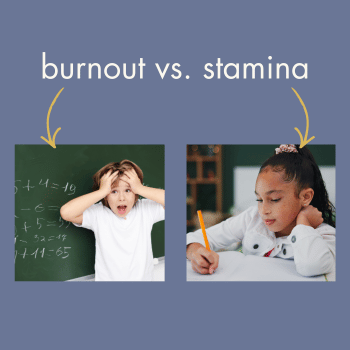
Practice tests don’t build stamina—they build burnout. Real math test stamina comes from conceptual understanding, accountability for tools, and teaching students to regulate test anxiety. Here’s what actually works.
March 4, 2026
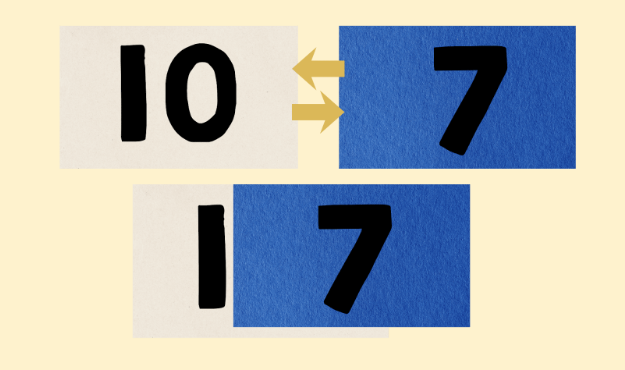
Teen numbers are students’ gateway to the base ten system. Learn how to teach them with meaning (and how not to) from the start.
February 25, 2026
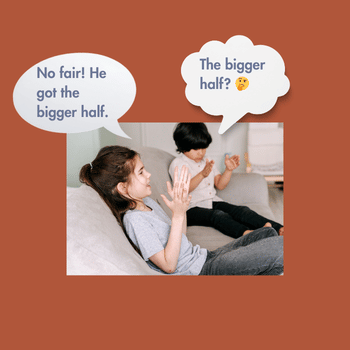
We’ve all said it. “In a minute.” “Just add a zero.” “The bigger half.” Find out why precision of language isn’t about being picky—it’s about making math more visible, accessible, and meaningful for every learner.
February 18, 2026

These 5 low-prep strategies help you create inclusive classrooms where students access, interpret, and engage with ideas from the very first moment.
February 11, 2026

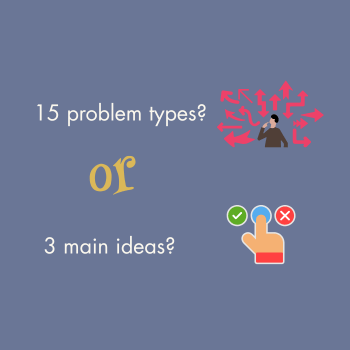
A resource for caregivers to help their child make sense of math word problems. Learn how to spot the math main idea and support understanding at home.
January 21, 2026
CGI teaches students to think, not just memorize, but what if there’s one key piece missing? Learn one small shift for a huge impact. (And no, you don’t have to abandon your CGI problems!)
January 14, 2026
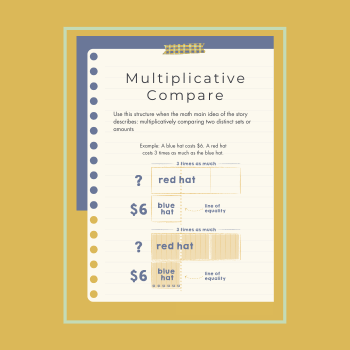
Multiplicative comparisons, stories with scaled relationships, are some of the trickiest problems students face. SoE helps students see the relationship before solving.
December 10, 2025

When students label their thinking precisely, their understanding becomes visible. By requiring the unit and the descriptor, we help students show meaning with their models.
December 3, 2025

This post explores how to select or adapt number stories that invite sense-making, honor students’ experiences, and align with instructional goals.
November 19, 2025
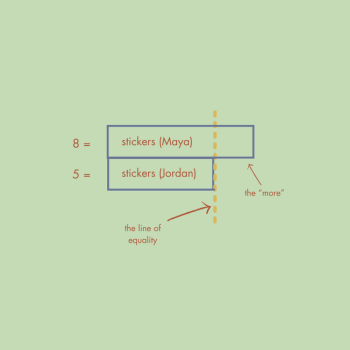
When students come across questions like “How many more does Jordan have than Emma?”, the comparison relationship often confuses them. This blog talks about how the Compare structure helps them see the relationship between the values.
November 12, 2025
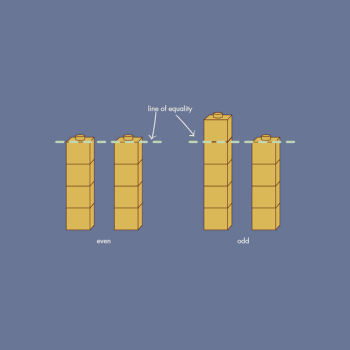
Flat tops and ones-place rules might help kids label numbers as odd or even, but they miss the why. This post shows how to build deeper understanding using the Compare structure and equal group reasoning.
October 29, 2025
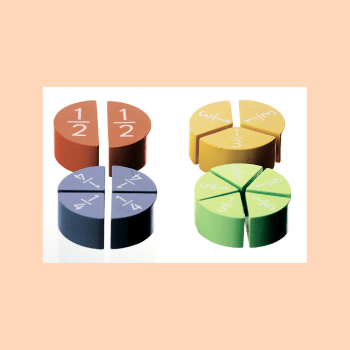
Fractions confuse students not because they can’t calculate but because they don’t truly understand what fractions represent. This article unpacks the most common fraction misconceptions, why they occur, and how teachers can shift from rules to reasoning with stories, visuals, and models.
