
Practical Ideas for Elementary Math Teachers
Classroom-tested strategies for word problems, number sense, and making math meaningful.

The Parts Equal Total structure isn’t a shortcut for solving; it’s a way to understand what’s happening in the story. This blog explores how PET supports comprehension from the earliest grades through more complex problems.
August 20, 2025
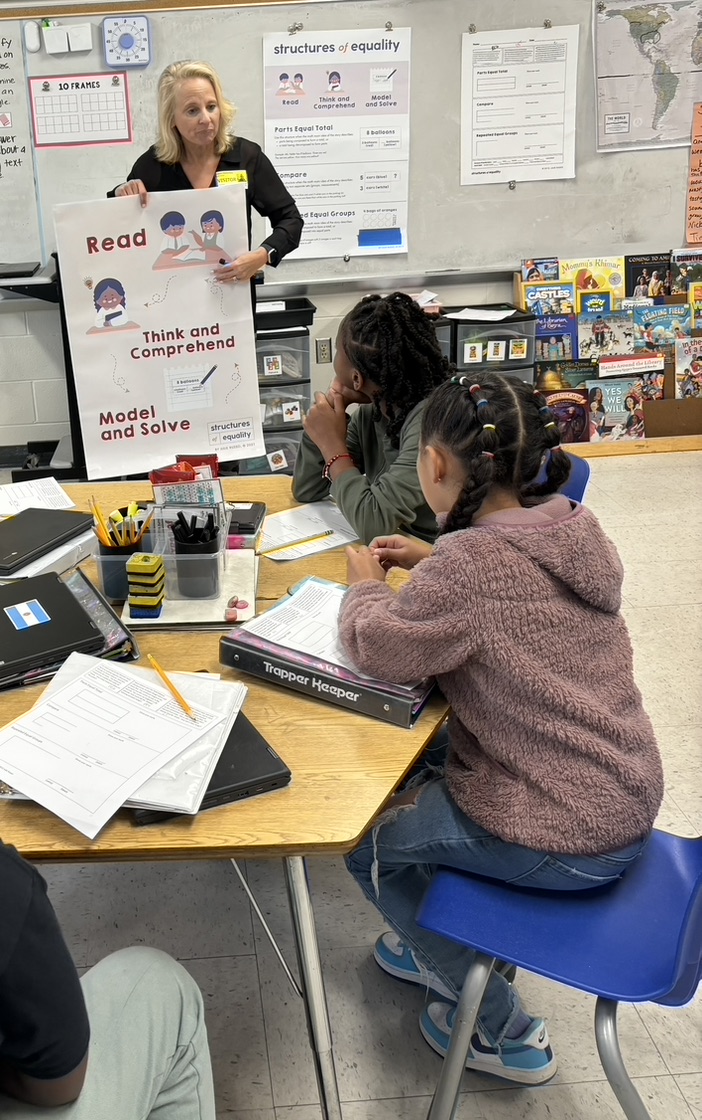
A reflection on how Pam Seda’s work validates my mission to bring equity, comprehension, and deep thinking into math classrooms.
June 11, 2025
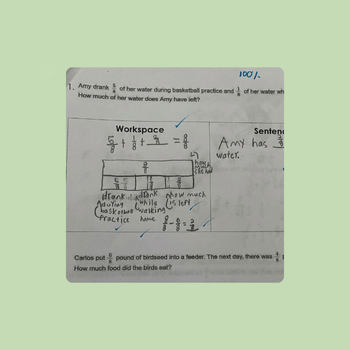
Many students struggle with math not because of computation, but because they don’t know where to start. Learn how Structures of Equality (SoE) helps students decode word problems and build confidence in problem-solving.
April 23, 2025

Two educators. One goal: help students understand word problems. Discover how the Structures of Equality (SoE) framework came to life, and why it works.
April 9, 2025

Sometimes it feels like your students are playing a guessing game when it
comes to number stories. Learn how SoE helps them understand and the research that
backs it.
April 2, 2025
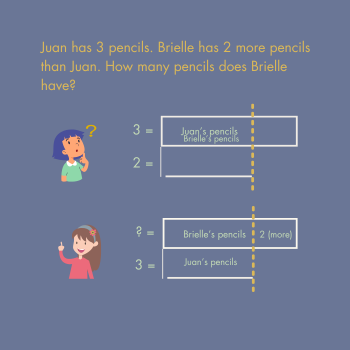
Are your students focusing too much on choosing the ‘right’ structure? Learn how emphasizing the math main idea with Structures of Equality can change how students approach and solve math word problems.
January 29, 2025
Accuracy in visual math representations helps students understand the relationships between quantities. When should you hold students accountable?
December 18, 2024
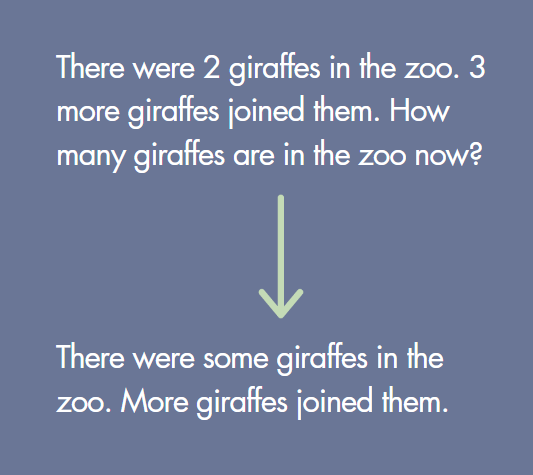
Tired of your kids plucking out the numbers and not reading the number story? Try numberless word problems.
September 4, 2024
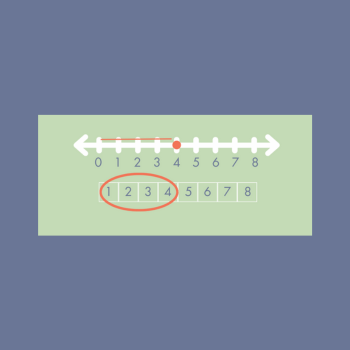
Find out why number lines shouldn’t be used until 2nd grade and what to use instead.
August 28, 2024
A resource for teachers and caregivers: how to help with math at home
August 21, 2024

Jasmin, a 4th grade teacher from Durham, NC, shares the highs and lows with implementing Structures of Equality in her classroom. You don’t want to miss this interview.
April 17, 2024

When a student can read a word problem but can’t solve it, the issue often isn’t reading. It’s an underdeveloped number concept, and here’s how to spot it.
